New Electrical Safety Rules Now in Effect for Social Housing (November 2025)
November 25, 2025
Happy New Year from GRE Energy Training!
January 5, 2026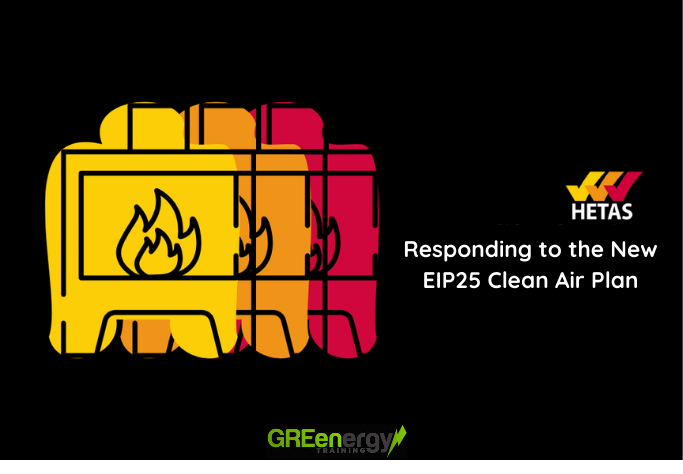
The governments new Environmental Improvement Plan 2025 (EIP25) has placed domestic burning at the centre of its clean-air strategy, meaning that now big conversations are happening across the solid fuel industry.
As the only competent person scheme dedicated solely to solid fuel appliances, HETAS are urging policymakers to focus on practical, evidence-backed changes that will genuinely improve air quality without unfairly targeting responsible stove owners.
So what does this mean for installers, engineers and anyone training in solid fuel?
Let’s break it down.
Domestic Burning Is Under Review – But the Full Story Matters
The government have confirmed a forthcoming consultation on new measures around domestic solid fuel burning. Whilst this has raised concerns for both installers and stove owners, the wider picture is often misunderstood.
Data shows significant improvement already.
Recent government statistics highlight meaningful progress:
- PM2.5 emissions from domestic burning fell by 17% between 2020–2023
- Total PM2.5 emissions are down 76% since 1990
This shows that modern appliances, cleaner fuels and better user education are already making a real impact.
Why Open Fires Are the Key Issue
HETAS stress that open fireplaces – not modern stoves, are the greatest contributors to emissions.
Open fires are:
- Extremely inefficient
- High-polluting
- Not compatible with upcoming air-quality targets
In contrast, appliances that meet the HETAS Cleaner Choice standard produce at least 50% lower particulate emissions than current Smoke Control Area limits.
This distinction is crucial. The consultation must:
- Target the worst-performing heating methods
- Support households transitioning to cleaner technologies
- Avoid blanket bans that penalise responsible stove owners.
Education Is Essential for Cleaner Air
HETAS have long emphasised the role of correct operation and safe burning practices.
Small changes by stove owners – such as using dry wood, proper air controls and regular chimney maintenance dramatically reduce emissions.
Installers and chimney professionals play a major part in this.
Clear advice during installation creates safer homes and cleaner communities.
Consistency Across the UK Is Needed
There are currently different rules across England, Scotland and Wales. For example:
- England restricts high-polluting fuels through the Ready to Burn legislation
- Scotland and Wales do not
This creates confusion and undermines the progress being made.
HETAS and Woodsure are already prepared to support consistent UK-wide fuel standards.
A Strong Industry With Rural Benefits
The solid fuel sector supports thousands of UK jobs — many in rural areas where alternatives aren’t always feasible.
Additionally:
- Wood fuel supports sustainable woodland management
- Forestry thinning helps biodiversity and healthy woodland growth
- Using locally sourced fuel reduces environmental impact
Any future policy must consider both environmental goals and community realities.
What This Means for Installers and Trainees
For those in training or working in the industry, three key takeaways stand out:
1️. Demand for qualified professionals will remain strong
Especially as the government moves towards safer, cleaner, regulated appliances.
2. Modern, certified installations will play a central role in the UK’s clean-air ambitions
Competent installers are critical for compliance, homeowner education and safety.
3. Upskilling now ensures you’re ready for the next stage of regulation
Whether you’re new to the industry or refreshing your qualifications, staying ahead of the changes is essential.
Training for a Cleaner, Safer Future
As consultations begin, one things is clear: the UK solid fuel industry is evolving and skilled, knowledgeable professionals will lead the change.
If you need to update your qualifications or get started with HETAS training, the GRE team are here to support you every step of the way.
Get in touch with us today 01246 588589 or explore our range of solid fuel courses here.
Read the latest HETAS news article here.